
What the body remembers when the room goes quiet
On the discovery the body makes on its own, the moment nothing is asked of it.
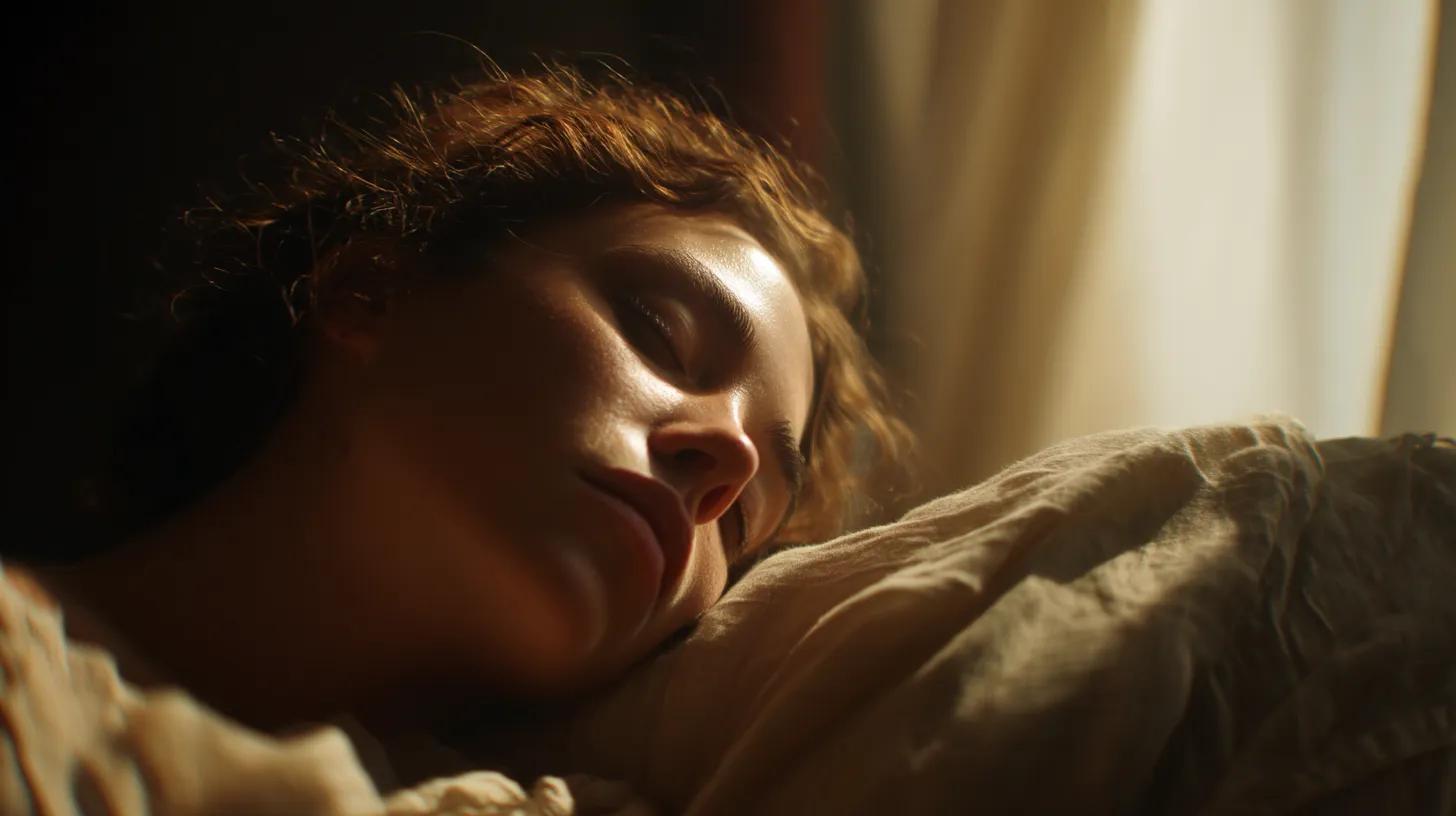
he first thing most people say, once the session has ended and the room has gone quiet, is that they had not realised how much they were holding. Not as a thought. As a discovery the body makes on its own, the way a hand uncurls in sleep.
They do not mean their shoulders, though it is often the shoulders that speak first. They mean something older and more diffuse: a low, constant readiness that had become so familiar it no longer registered as effort. The work does not remove it. It lets the body notice it, and noticing is the beginning of setting it down.
The body keeps a more honest record than the mind is willing to read aloud.
What the nervous system is doing while you are not looking
For most of the day the nervous system runs a quiet calculation beneath awareness: is it safe here, and for how long. It does this whether or not anything is wrong. It does it in the company of people we love. It does it in rooms we have entered a thousand times.
When that calculation has been running without pause for years, rest stops feeling like rest. It begins to feel like a task, one more thing to do correctly. The body learns to perform stillness without ever arriving at it.
Why effort cannot produce its own opposite
You cannot try your way into release. The trying is the very tension you are hoping to leave. This is the quiet paradox at the centre of the work, and it is the reason the room is built the way it is: slow, warm, unhurried, asking nothing.
Safety is not a thing you decide. It is a thing the body concludes, slowly, from evidence.
The role of the room
I light the room before you arrive. Not for atmosphere, though it has that, but because the body reads a prepared space before the mind forms an opinion about it. Warmth, low light, the absence of anything sharp or sudden: these are not decoration. They are the first sentence of the conversation.
By the time we begin, a good deal has already been said without words. The room has made its case. The body, cautious and intelligent, has started, only started, to believe it.
The body is not a machine that has broken down. It is a field that has been waiting, patiently, to be allowed to rest.
From a note kept by the practice
What returns
People describe it differently. A warmth that travels. A sense of weight, in the good way, of being held by the surface beneath them rather than braced against it. Sometimes tears that arrive without a story attached, and need none.
What returns is rarely dramatic. It is the ordinary thing that had quietly gone missing: the breath that reaches the bottom of the lungs, the jaw that is not set, the afternoon that does not need to be survived.
You will not remember the technique. You will remember that, for an hour, nothing was required of you.
After
The hours that follow a session are their own part of the work. I ask people not to fill them: to drive home slowly, to leave the evening loose. The body is still finishing a sentence it began on the table, and it deserves to be allowed to finish it.
Return is not a single moment. It is a direction. The session points the body the right way, and then, for a while, the body remembers how to keep walking.
What do women actually notice after a session? Usually less than the language around this work promises, and something that lasts longer. The evening is quieter than expected, and many women are more tired than they planned to be. What they describe on a second visit is rarely dramatic: noticing their own state earlier than before, the tiredness that had started hours before they admitted it. Some feel very little the first time and notice something days later, which is common enough to be worth saying in advance.